
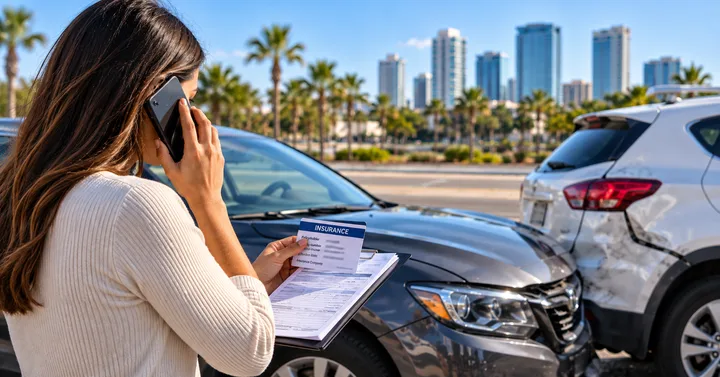
After a car accident, you may receive calls from an insurance adjuster asking what happened, whether you were injured, where you received medical treatment, or whether your vehicle was damaged.
Some communication with an insurance company may be necessary to report the accident and handle a claim. However, that does not mean every question must be answered immediately or that every document should be signed without understanding what it means.
Before speaking with an adjuster, it can help to know which insurance company the adjuster represents, why they are contacting you, and what information they are requesting.
What Does an Insurance Adjuster Do?
An insurance adjuster investigates and handles insurance claims on behalf of an insurance company.
Depending on the claim, an adjuster may:
- Ask how the accident happened
- Collect driver and vehicle information
- Review photographs
- Obtain a crash report
- Ask about vehicle damage
- Ask whether anyone was injured
- Request medical or repair documentation
- Evaluate coverage under an insurance policy
- Discuss repair costs
- Communicate about a claim
- Discuss a possible settlement
The adjuster’s role is connected to the insurance claim. An adjuster is not your personal legal adviser.
Which Insurance Company Is Calling You?
Before discussing the accident in detail, identify who is contacting you.
Ask for:
- Adjuster’s full name
- Insurance company
- Telephone number
- Claim number
- Name of the insured person
- Reason for the call
There is an important difference between communicating with your own insurance company and speaking with an adjuster representing another driver or another insurance company.
What if the Adjuster Works for Your Insurance Company?
If you are making a claim under your own policy, your insurer may require information necessary to investigate and process that claim.
Your policy and applicable Florida insurance laws may establish duties related to cooperation, documentation, medical information, examinations, or other claim procedures.
For example, Florida’s Personal Injury Protection law allows insurers handling PIP claims to obtain certain information relating to treatment, medical expenses, and other facts connected with a claim.
That does not mean every request should be treated casually.
If you receive a request you do not understand, consider asking:
- Why is this information needed?
- Is the request required under my policy?
- Can you send the request to me in writing?
- What records are you asking for?
- What time period does the request cover?
Read communications carefully before responding.
What if the Adjuster Represents the Other Driver?
An adjuster representing another driver or another insurance company may also contact you after an accident.
The adjuster may ask questions about:
- How the accident occurred
- What you saw
- Whether you were injured
- Medical treatment
- Prior or continuing symptoms
- Vehicle damage
- Work you missed
- Other insurance coverage
You can first identify the purpose of the call and what information is being requested.
Avoid guessing or speculating if you do not know an answer.
You also do not need to minimize or exaggerate what happened. Provide accurate factual information when appropriate.
Should You Give a Recorded Statement?
An insurance adjuster may ask permission to record a telephone conversation or obtain a formal recorded statement.
A recorded statement creates a permanent record of the answers you provide.
Before agreeing, consider asking:
- Is this statement required?
- Which insurance company is requesting it?
- What type of claim does it relate to?
- How will the recording be used?
- Can the request be provided in writing?
- Can you receive a copy of the statement?
The answer to whether you are required to provide a statement can depend on the policy, the type of coverage involved, who is requesting it, and the circumstances of the claim.
If you are uncertain about your obligations or the consequences of giving a recorded statement, consider obtaining appropriate guidance before proceeding.
Should You Talk About Your Injuries?
An adjuster may ask whether you were injured and whether you received medical treatment.
Answer factual questions accurately when appropriate, but avoid guessing about a medical diagnosis, prognosis, or recovery timeline.
Some accident-related symptoms may develop or become more noticeable after the accident.
If you are still receiving medical evaluation or treatment, you may not yet know:
- The full nature of an injury
- How long symptoms will continue
- Whether additional treatment will be needed
- Whether the injury will affect work or normal activities
Medical questions are best addressed by appropriate healthcare professionals.
Should You Say You Are “Fine” After an Accident?
Be careful about using broad statements that may not accurately describe your condition.
Immediately after a crash, you may not yet know whether you have been injured.
Rather than guessing, provide accurate information based on what you know at that time.
For example, if you have not yet been medically evaluated, that is different from knowing that you have no injury.
Should You Discuss Who Was at Fault?
You can describe facts that you personally observed.
For example:
- Which direction you were traveling
- Which lane you were in
- What traffic signal you observed
- Where the vehicles made contact
- What happened immediately before the collision
Avoid guessing about something you did not see.
You also do not need to make your own legal determination about who was responsible. Questions of legal responsibility may depend on evidence and circumstances beyond what was immediately apparent at the scene.
What Should You Do if You Do Not Remember Something?
Say that you do not remember or do not know.
Do not fill gaps in your memory by guessing.
Accurate information is more useful than an answer based on assumptions.
If you need to check the crash report, photographs, notes, or other records before answering a question, consider doing so.
Should You Sign a Medical Authorization?
An insurer may request authorization to obtain medical records.
Before signing an authorization, read it carefully and understand:
- Which records are being requested
- Which healthcare providers are covered
- What period of time the authorization covers
- Why the insurer is requesting the records
- Whether the authorization permits access to information unrelated to the accident
Florida’s PIP statute provides specific procedures through which insurers may obtain certain medical information and records relating to a PIP claim.
If an authorization appears broader than you expected or you do not understand its scope, consider obtaining appropriate guidance before signing it.
Should You Accept a Settlement Offered by an Adjuster?
An insurance company may make a settlement offer while a claim is being evaluated.
Before accepting an offer, make sure you understand:
- What the payment covers
- Whether the payment resolves only property damage or other claims as well
- Whether you are being asked to sign a release
- Which people or companies are being released
- Whether additional claims may be affected
Do not assume that every payment has the same legal effect.
A settlement or release may affect rights connected with the claim. If you do not understand the terms, consider obtaining appropriate legal guidance before signing.
Should You Sign a Release?
Read any release carefully before signing it.
A release may state that, in exchange for payment, certain claims against specified people, companies, or insurers are being resolved.
Pay particular attention to:
- Who is being released
- Which claims are included
- Whether injury claims are included
- Whether property-damage claims are included
- Whether the release is final
- Whether additional claims could be affected
Do not sign simply because the document is described as “standard.”
Understand what the document actually says.
Can You Ask the Adjuster to Communicate in Writing?
Yes, you can ask whether requests or important claim information can be provided in writing.
Written communications can help you keep track of:
- What was requested
- When it was requested
- What you provided
- Claim numbers
- Coverage information
- Settlement communications
- Follow-up requirements
Keep copies of emails, letters, forms, and documents you send or receive.
Keep a Record of Every Insurance Conversation
Maintain a simple insurance communication log.
Record:
- Date
- Time
- Insurance company
- Adjuster’s name
- Telephone number
- Claim number
- Reason for the call
- Documents requested
- What information you provided
- Any promised follow-up
You may also want to save relevant emails, letters, and text messages.
Keeping an organized record can reduce confusion when multiple insurance representatives are involved.
What Should You Have Before Speaking With an Adjuster?
Before an important insurance conversation, it may help to have your accident records nearby.
These can include:
- Crash-report information
- Driver information
- Insurance information
- Photos and videos
- Vehicle-repair estimates
- Medical-provider information
- Treatment dates
- Towing records
- Rental-vehicle information
- Notes about what happened
For a more complete checklist, see What Information Should I Collect After an Accident?
What Is Florida PIP Insurance?
Florida’s Motor Vehicle No-Fault Law requires qualifying motor-vehicle policies to provide Personal Injury Protection benefits.
Under the current Florida PIP statute, qualifying coverage generally provides up to $10,000 in medical and disability benefits, subject to statutory requirements and limitations. For medical benefits, initial services and care generally must be received within 14 days after the motor-vehicle accident.
The amount and availability of benefits can depend on the circumstances, medical findings, coverage, exclusions, and other statutory requirements.
Because insurance laws and individual policies can be complicated, review your actual policy and current Florida requirements rather than assuming that the same rules apply to every accident.
What if You Have a Problem With an Insurance Company?
If you are having difficulty understanding an insurance company’s actions, the Florida Department of Financial Services Division of Consumer Services provides assistance to consumers with insurance questions and concerns.
The Department can help consumers understand insurance policies and may contact an insurer regarding a filed insurance concern.
However, the Department states that it cannot:
- Provide legal advice
- Determine who was at fault
- Make medical judgments
- Determine the value of a claim
- Act as your insurance adjuster
- Require an insurer to pay a claim when no law, rule, or policy provision has been violated
When Might You Consider Speaking With a Law Firm?
Some people consider speaking with a personal injury law firm before extensive insurance discussions when an accident involves circumstances such as:
- Physical injuries
- Ongoing medical treatment
- Significant vehicle damage
- Disagreement about how the accident occurred
- Multiple vehicles
- Commercial vehicles
- Questions about insurance coverage
- A requested recorded statement
- A proposed settlement or release
- Missed work
- Questions about applicable deadlines
A law firm independently determines whether it can assist with a particular matter.
How InjuryCaseDirect Works
If you were injured in an accident and want to request an initial case review, InjuryCaseDirect provides an online case-evaluation process.
1. Tell Us What Happened
Provide basic information about the accident through a short online evaluation.
2. Verify Your Information
An intake representative may contact you to verify your information and contact request.
3. Connect With a Participating Law Firm
With your consent, your information may be shared with a participating personal injury law firm.
4. The Law Firm Reviews Your Matter
The participating law firm independently determines whether it can assist you.
Frequently Asked Questions
Do I have to speak with an insurance adjuster after an accident?
The answer can depend on which insurer is contacting you, the coverage involved, your insurance policy, and the type of claim. Your own policy may include cooperation requirements. A request from another driver’s insurer may present different considerations.