
Local Information to Help You Understand What Comes Next
A car accident in Kissimmee can leave you dealing with injuries, vehicle damage, insurance communications, and questions about what to do next.
InjuryCaseDirect provides car accident information and helps consumers request a case review from participating personal injury law firms. Our current service focus includes Greater Orlando and surrounding Central Florida communities, including Kissimmee.

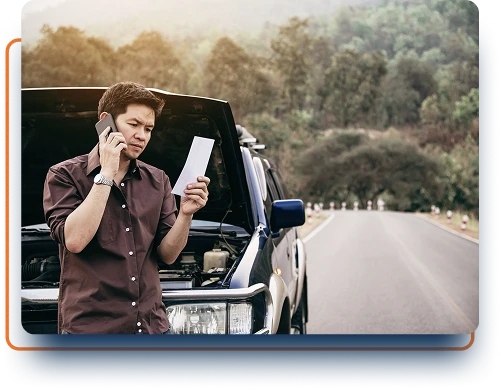
You do not need a complete accident file before making a request. A few basic details can provide a starting point.
Provide the Kissimmee road, intersection, business, parking area, landmark, or other location you remember and the approximate date of the crash.
Briefly describe the vehicles involved and what you remember about their movement before or during the collision.
Share available information about injuries, symptoms, medical evaluation, treatment, or follow-up care after the crash.
Submit the information currently available for possible consideration by a participating personal injury law firm.
Free to submit. No obligation.
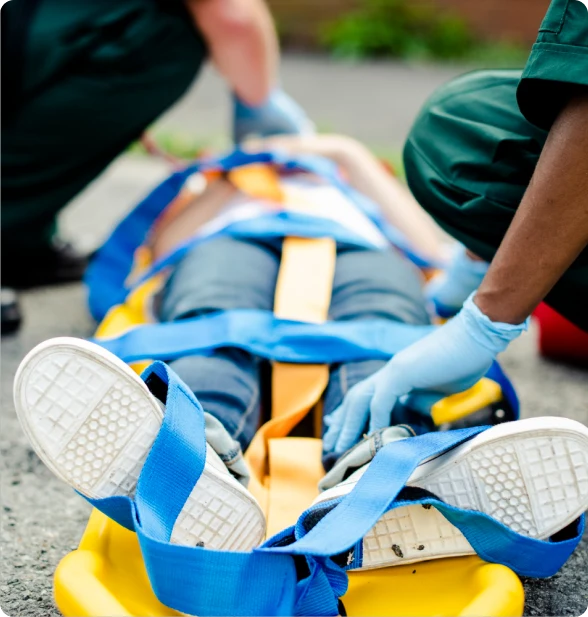
Driving in Kissimmee can mean moving between busy commercial corridors, major intersections, downtown streets, neighborhoods, parking areas, and regional routes connecting the city with other parts of Central Florida.
Kissimmee’s roadway system also includes streets maintained by different government agencies. The City identifies Vine Street/US 192 and John Young Parkway as state-maintained roads, while Osceola Parkway is maintained by Osceola County within city limits.
That local transportation mix can affect what information is available after a collision, including the precise crash location, surrounding roadway features, responding agency, photographs, vehicle details, and report information.

Passenger-vehicle collisions can occur in different ways, and each crash may leave different types of scene information behind.
Rear-End Collisions: A vehicle strikes the rear of another vehicle that is stopped, slowing, or traveling ahead.
Intersection Accidents: Vehicles collide while crossing, turning, entering, or traveling through an intersection.
Side-Impact Collisions: The side of one vehicle is struck during a crossing, turning, or other traffic movement.
Head-On Collisions: The front portions of two vehicles make contact while traveling toward one another.
Multi-Vehicle Accidents: Three or more vehicles become involved in the same collision or sequence of impacts.
Hit-and-Run Accidents: An involved driver leaves the crash location before the incident has been fully addressed.
Lane-Change & Merging Accidents: Vehicles make contact while changing lanes, merging, or traveling alongside one another.
Rideshare-Related Car Accidents: A collision involves an Uber, Lyft, or another rideshare vehicle as part of the crash.
Consider immediate health and safety concerns first. Seek appropriate emergency assistance when necessary.
When it is safe to do so, keep photographs or video showing the vehicles, visible damage, roadway, intersection, lane markings, traffic controls, and surrounding area.
Preserve available names, contact information, vehicle descriptions, license-plate information, and insurance details exchanged after the collision.
If an agency responds, keep the agency name, report or incident number, officer information, or paperwork provided after the crash.
Keep available documentation related to medical care, towing, vehicle repairs, alternate transportation, missed work, and other accident-related expenses.
If you want a participating personal injury law firm to consider what happened, you can submit the information currently available through InjuryCaseDirect.
InjuryCaseDirect provides general information and does not provide legal or medical advice.
Not every record will be available immediately after a collision. Preserve what you already have and keep additional information together as it becomes available.
Keep the road, intersection, nearby business, parking area, address, landmark, or other details that identify where the collision occurred.
Preserve available images or recordings of vehicle damage, the crash location, roadway features, traffic controls, and surrounding conditions.
Keep available names, contact details, vehicle descriptions, license-plate information, and other information exchanged after the crash.
Save insurer details, policy or claim information, emails, letters, and other available accident-related communications.
Keep names and contact information for people who saw the collision or events immediately surrounding it.
Preserve the responding-agency name, report or incident number, officer information, and any paperwork you receive.
The physical effects of a collision can vary based on vehicle movement, occupant position, direction and force of impact, and individual circumstances.
Some collisions may result in injuries or symptoms involving the head, face, or surrounding areas
Sudden movement during a crash may affect the neck, back, spine, or surrounding tissues.
Drivers and passengers may experience injuries involving the shoulders, arms, wrists, hands, or related areas.
Depending on the collision, injuries may involve the hips, knees, legs, ankles, feet, or surrounding areas.
Contact with vehicle interiors, restraints, broken materials, or other impact forces may contribute to cuts, bruising, or other visible injuries.
Every collision is different. Drivers and passengers may experience other symptoms or injuries depending on their individual circumstances.
If you were injured in a Kissimmee car crash, you can begin with the information currently available.
You do not need to decide who was legally at fault or collect every medical record, crash report, vehicle document, or insurance communication before requesting a case review.
InjuryCaseDirect is not a law firm and does not determine whether you have a valid legal claim.
Tell Us What Happened
Share basic information about where the Kissimmee car crash occurred, the vehicles involved, what happened, and how you were affected.
Request a Case Review
Submit the information currently available through InjuryCaseDirect.
Participating Law Firm Review
A participating personal injury law firm may independently consider the information included with your request.
Law Firm Determines the Next Step
Each participating firm independently decides whether it can assist. If a firm accepts a matter, any further relationship would be directly between you and that firm.
Submitting information does not create an attorney-client relationship and does not guarantee that a law firm will accept your matter.
Yes. You can provide available information about the collision through InjuryCaseDirect and request possible review by a participating personal injury law firm. Each participating firm independently determines whether it can assist.

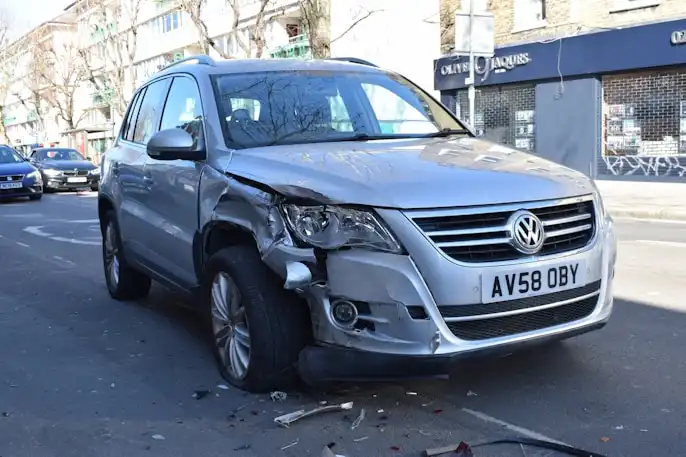
Tell us where the collision happened, what you remember about the vehicles involved, and how you were affected.
Submitting information does not create an attorney-client relationship and does not guarantee that a law firm will accept your matter, contact you, provide representation, or that compensation will be recovered.